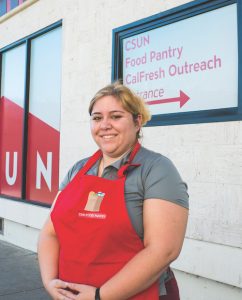
Tracy McCartney: The Good Flight
I believe it was in April of 2020 when the journalist and filmmaker Sam Slovick introduced me to Tracy McCartney, a woman on the verge of undertaking a second act, looking to make a positive impact on the world. Shortly into our first conversation, I was aware that Tracy was a force to be reckoned with, someone whose almost blind faith in the ability to do good felt undergirded by a steely resolve. I liked that combination and agreed to start something.
In short order, we’d set off on the somewhat quixotic quest to fashion an old-school, sense-making, longform journalistic enterprise in a media landscape algorithmically designed to punish nuance and flatted discourse. Tracy and I agreed to focus primarily on pressing environmental concerns while also addressing social justice issues that demanded attention. We also agreed to approach our mission as, forgive the cliché, happy warriors.
Red Canary magazine has been an underdog from the jump, an award-winning project that’s heavy on passion and light on resources, but a project to which Tracy McCartney has given the lion’s share of both. Five years in, the magazine is at a critical juncture as it tries to gain a foothold in the world of independent nonprofit journalism. Given the state of media and the questions of sustainable journalism, it felt like a good time to have a conversation with the publisher of Red Canary, who has never told me, the editor, to do anything but strive for the highest journalistic standards.
Joe Donnelly: We launched Red Canary magazine in the fall of 2020. That was a pretty intense time. We were in the middle of the worst of Covid, the Black Lives Matter movement. I was involved in the Santa Barbara Social Justice Initiative, all this stuff was going on and, somehow, we managed to launch this new and different journalistic enterprise.
Tracy McCartney: Pretty remarkable and now it’s more important than ever.
JD: Why?
TM: Well, I think now, we’re not just reporting on our mission – environmental and social justice – but we’re fighting for a future where journalism remains a pillar of truth. Accountability and democracy. I really feel that’s true, and I feel the longform journalism that we’re doing is very powerful, and we’re expanding now into audio and podcast. And I think that’s going to touch a whole new audience.
JD: Of course, I agree with you about how important journalism is, particularly at this time, and yet there isn’t any great model for journalism, profit or nonprofit. For-profit journalism is almost an oxymoron.
TM: Correct. Yeah.
JD: And nonprofit journalism, as you well know, is very difficult. Could you speak to that? What made you decide to try and go the nonprofit route with this project?

TM: Well, I really look at it and when you look at structuring a nonprofit over a for-profit, the nonprofit model really protects editorial independence. So, it protects against shareholder and advertiser pressure, and especially in the environment that we’re in right now with all the misinformation and disinformation, this structure actually safeguards editorial independence, access to philanthropic funding, and building
public trust.
There’s such a lack of trust amongst the public for the for-profit structure right now and this [nonprofit structure] can ensure long-term sustainability. So, there’s a number of reasons why we lean toward nonprofit over for-profit. Most of it has to do with community and public trust and protecting our editorial independence.
JD: Well, I love the public trust and editorial independence aspect of that. I’m wondering if it’s proving any more efficacious in terms of a revenue model to do nonprofit journalism versus for-profit. I don’t think either of them are showing that they have figured out the revenue puzzle yet. Or am I mistaken there?
TM: No, I don’t think you’re mistaken at all. But I do see that especially with the nonprofit organizations that I’ve been in touch with, there are a number that are starting to form partnerships and come together. And I’m seeing a lot more actual syndication too, under an umbrella.
JD: And is that something that you’re looking into, or that you see as a potential?
TM: Absolutely. And we just recently were accepted in the Institute for Nonprofit News. There are 500 independent news organizations in that group and all of us are talking about it.
JD: What are the collaborative potentials that you see there? Is it sharing costs, or sharing resources or content even?
TM: Yes. Sharing resources, sharing content, and obviously expanding exposure, being able to broaden and amplify your reach.
JD: You came from a background in advertising, and I believe marketing and branding consulting, for consumer brands…
TM: Both business-to-business and consumer.
JD: Tell me about that world, and the transition you’ve made from that world to a more, I don’t know if we could quite call Red Canary magazine a philanthropy, but as far as your personal bottom line, it certainly has been.
TM: Right, it has been for me. I’ve invested a good portion of my portfolio into the magazine, and that’s really indicative of how much I believe in what we’re doing, and how much I believe in what you’re actually doing, Joe.
JD: Well, thank you, but what’s the main difference between working in that world and now in the realm of nonprofit and philanthropy?
TM: I think there are a number of things. I think working in the corporate world – I did a lot of work for 3M and also Weyerhaeuser and a number of hospitals, that kind of thing – and now our mission, as it were, is focused on environmental and social justice.
In the corporate world, you’re definitely focused on making a profit. We are not focused on making a profit. In regard to our mission, we’re focused on trying to fund our stories, to be able to reach the greatest group and make significant change in the world as it relates to our editorial concerns.

JD: Did you just grow tired of the corporate world, and feel like you were being alienated from your values in some way?
TM: No, not at all. Essentially, I was in retirement and then everything was hitting the fan in 2020 and before, 2019, when we first started thinking about this. And I just couldn’t take it. And a lot of what I did in advertising was pro bono work. I worked on SIDS campaigns (sudden infant death syndrome) and various other things as well. So, I’ve always been aligned with creating awareness around certain issues. I really looked at what my gifts were, what my skills were, and who I was connected with.
JD: You had been in leadership positions on nonprofit boards before and knew the terrain a little bit.
TM: I knew the terrain a little bit. I knew what we were up against and I knew it was going to be tough.
JD: Could you elaborate?
TM: Typically, fundraising is extremely tough, as you know, for nonprofits, especially nonprofit independent news publications. So, it is very difficult. It usually does take a few years to really get it off the ground. And as we did it, I feel like I did it a little bit backward, because I had the funds to be able to build it and go ahead, rather than focusing on generating major grants and gifts. So now we’re focused on generating those major grants and gifts. That’s the primary focus, to be able to cover our budget.
JD: You wanted to show proof of concept.
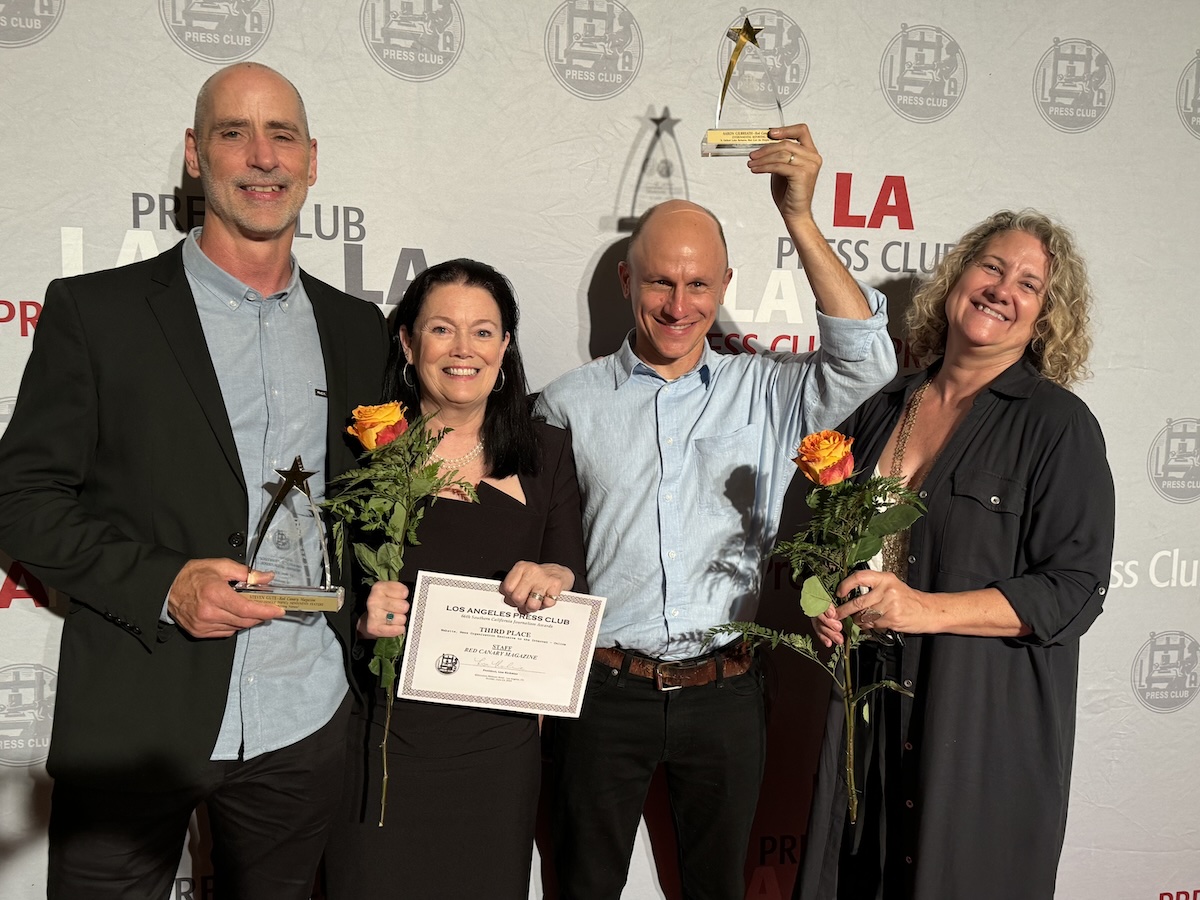
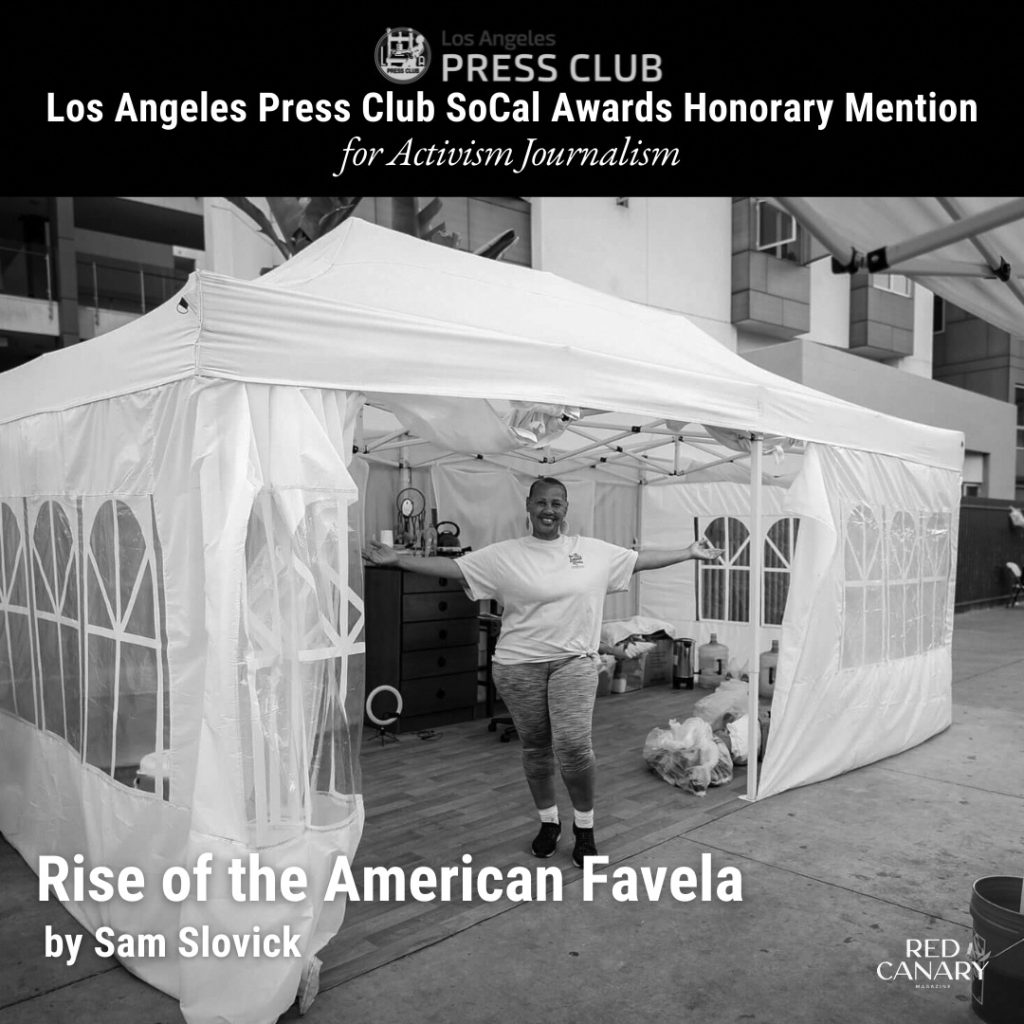
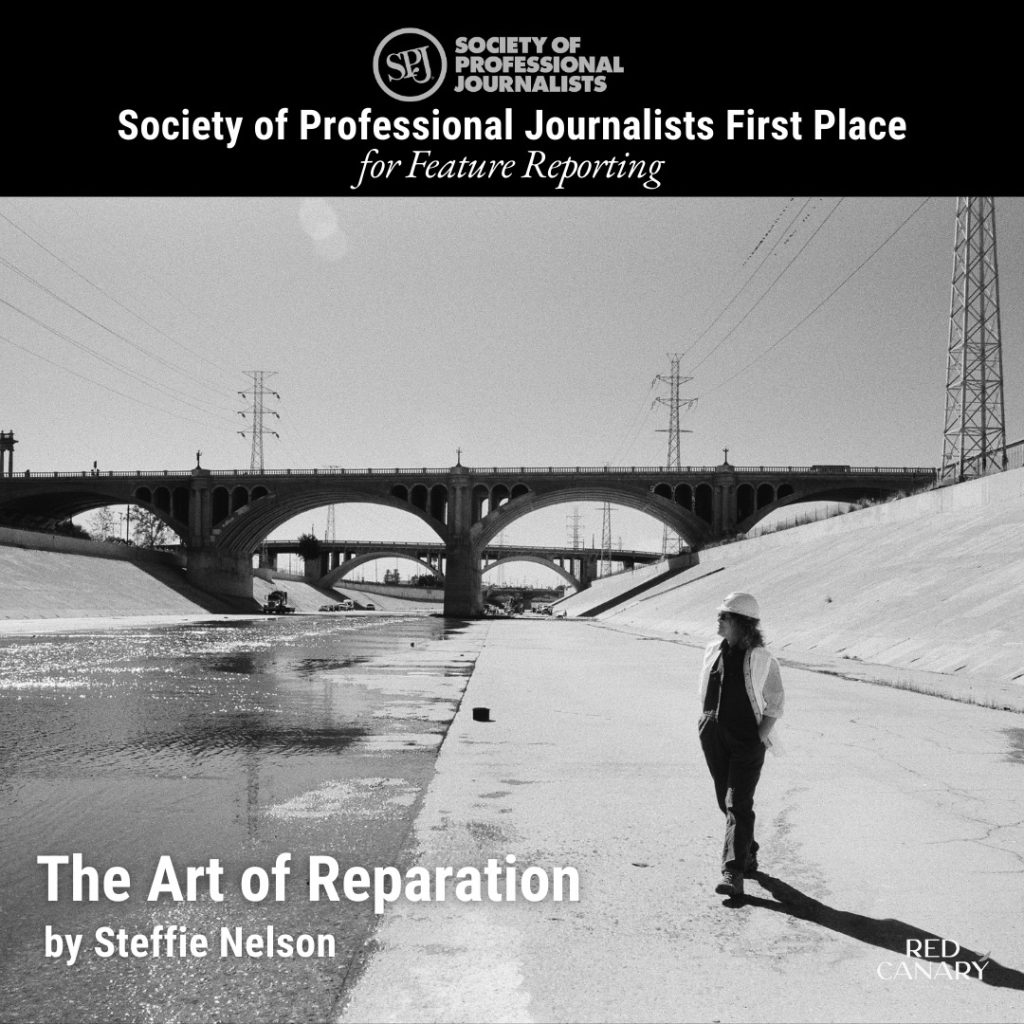
TM: Absolutely. And we did, and we’ve won 16 awards over the past almost five years. We won six first place awards, and four honorable mentions with the L.A. Press Club, one first place award with the Society of Professional Journalists, one honorable mention from the Society of Environmental Journalists. One honorable mention just this year with the Webbies and three website awards for Davey, Anthem, and C2A.
Our first year out of the gate we won best online news organization from the Southern California Press Association. I think we’re working our tails off and we continue to win awards. We continue to make a difference.
The awards are significant in terms of proving concept. That and the difference that we’ve made in terms of changing policy with some of our stories, and some of the differences in raising awareness for the various communities. And basically, I think the awards are very helpful in terms of just securing awareness and proving the concept. I think once we secure the funding, we’re going to be on great footing.
JD: You mentioned making some significant changes. I think of the story we did about the man languishing in prison for decades for something they didn’t do, who was released soon after our piece. Are there other things that come to mind?
TM: Yes, raising awareness around all of the struggles faced by people in the Navajo Nation, and all of the toxicity that’s created by the oil and gas companies. We’ve raised awareness around the homeless situation in Los Angeles, and new efforts that are happening in terms of assisting the homeless, a shift in perspective, I think, too, in regard to that.
There’s the “Diesel Death Zone” story, and the “Return of a Fabled Lake”… we’ve raised awareness around many issues and stories that really aren’t dug into in a deep way.
JD: How does that work translate to or help either initiate or amplify what various other nonprofit organizations or philanthropies might be doing that dovetails with the work we’re doing?
TM: I think we’re an amplifier. We’re not an advocate. So, we continue to maintain our independence, an independent newsroom. We’re not an advocacy group. Our role is to investigate, document, and sometimes that amplifies the work of the frontline organizations. We’ve done that with numerous organizations around Southern California in terms of the work they’re doing. I’m thinking now of the story we did on food sovereignty and urban farming, for instance.
JD: What is your sense of the effectiveness of nonprofits and philanthropic organizations in addressing the types of issues that Red Canary concerns itself with, largely environmental issues and social justice issues? It seems like we want them to do a lot, especially in the face of cuts in public funds that used to go to these needs.
TM: I think there’s a number of those organizations that are effective. The Annenberg Family Foundation is effective. The Knight Foundation, the McKnight Foundation, all of these foundations are effective. LA2050 is incredible. So, I think, yeah, I do. I think they’re incredible organizations and they’re doing good work, and we’re all moving in the same direction.
JD: How do you see the future for Red Canary?
TM: I was recently at a conference in June, actually, and met with a number of the news organizations with the Institute for Nonprofit News. And I was weirdly comforted by meeting up with those individuals because I realized we’re all in the same boat, and nobody’s wanting to quit. Everybody’s going to fight to secure the funding that’s necessary, and everyone’s willing to help each other. So, this community of independent news organizations across the nation is really powerful.
We’ve also made major headway in that we’ve got about 10 grant applications out there, and we have a handful of philanthropic, major gift foundations that we’ve been working with, and have been nurturing a relationship with for the last couple of years.
JD: That fiercely defended independence is a double-edged sword. It’s the goose that lays the golden egg of journalism. But it also can be something of a barrier for getting financial support, because people tend to want something for the financial support.
TM: The major foundations get it. They all understand. And there are more and more foundations that are also coming together as a collective, and funding various initiatives because of the state of our nation in terms of politics and in terms of the news. Major funders are coming together to form pools, national pools and regional pools to support independent news nonprofits.
JD: Well, let’s hope that trickles down, because you have certainly put skin in the game. If it all went away tomorrow, would you be happy with the choices you made to put so much of your own time, money and effort into this project, this experiment that is Red Canary?
TM: The answer to that would be absolutely yes. But I’m not planning on giving up anytime soon.