Inspiring and Empowering Youth
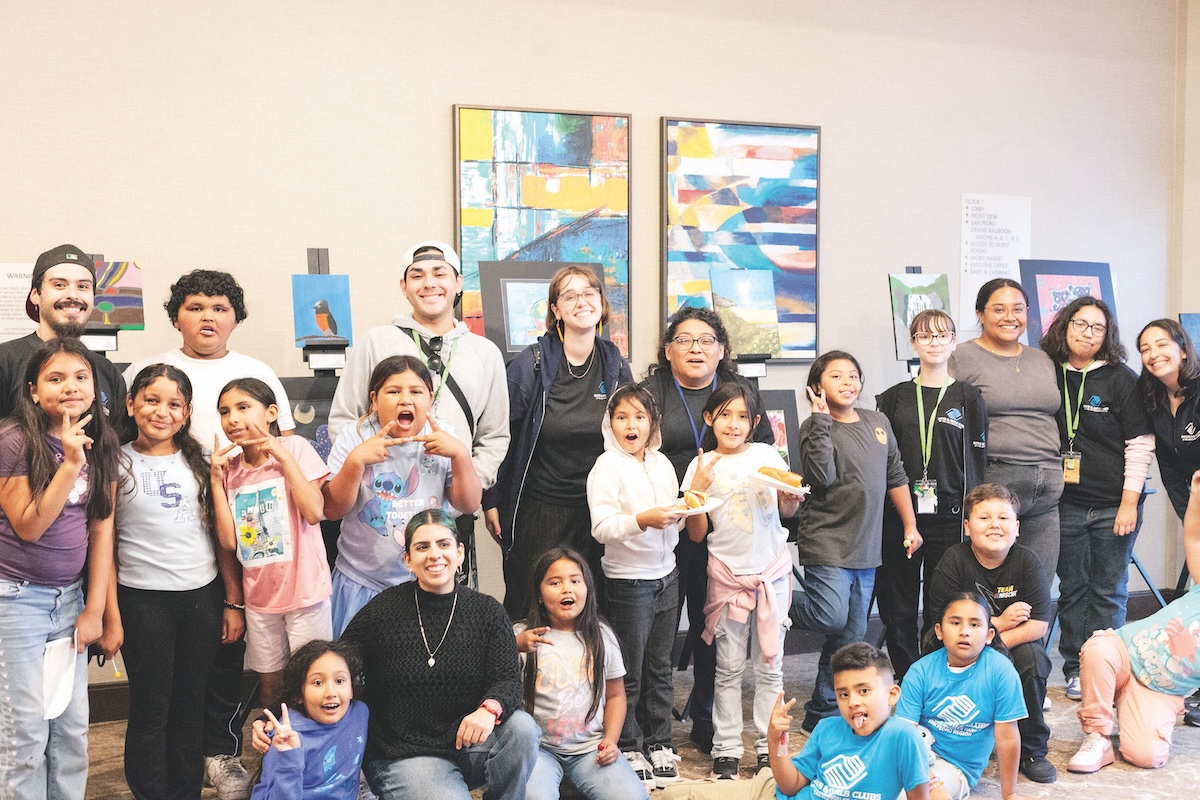
Sergio Carrillo was 10 years old the first time he was arrested; his brother bailed him out of jail because his mother was at work. When she found out – after a second arrest – she marched him to the Boys & Girls Clubs on Avalon Boulevard in Wilmington, the dividing line his gang-torn neighborhood couldn’t cross.
He was 18, a high school dropout, and unemployed. With the support of the Boys & Girls Clubs of the Los Angeles Harbor (BGCLAH), Carrillo became a straight-A student, first at community college, then at USC – a fact his mother, who’d never finished school herself, only came to appreciate after asking why he was there and his old friends weren’t. They were dead, or in prison. “It was at that very moment,” Carrillo says, “that I made a decision to forever be a part of this movement.” He joined the board, served 22 years – five as chair – then came on staff as Chief Development Officer. “There are many, many little Sergios who attend our club every day,” Carillo says.
Programs That Change Lives
Today, BGCLAH – the largest of 18 such clubs in L.A. County – serves 2,700 kids a day, almost 13,000 a year, from kindergarten through 12th grade at 26 locations across San Pedro, Wilmington, Harbor City, Harbor Gateway, and Lomita, five unique communities that are among the most economically challenged and gang-ridden in all of Los Angeles County. BGCLAH helps young people, especially those most in need, reach their full potential as productive, caring, responsible citizens, through a wide range of quality programs and services across the fields of arts, academics, and athletics.
Its celebrated College Bound program provides members from 5th grade through senior year with comprehensive academic assistance, individual tutoring and case management, parent workshops, and ultimately college applications and financial-aid guidance and support; last year, more than 525 seniors graduated on time – 100% of them – and 99.7% went on to a two- or four-year college, numbers CEO Pete Settelmayer, a longtime public educator, calls unheard of.
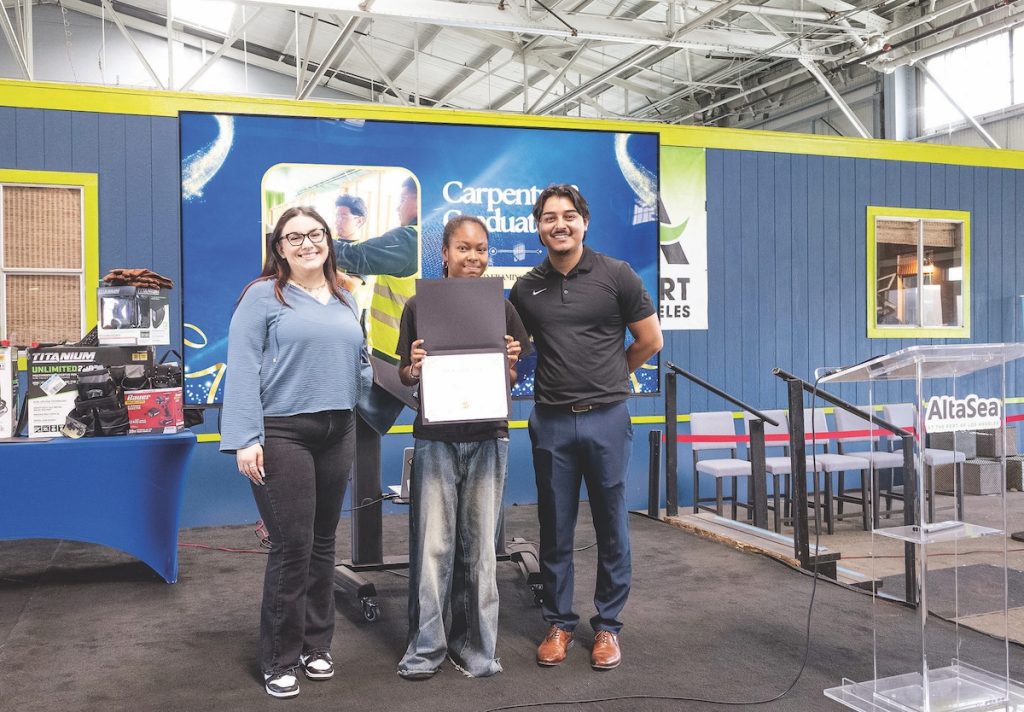
A parallel Next Generation Pathways program trains teens in electrical work, plumbing, construction, and welding. One graduate, Gabriel, earned his underwater welding certification the moment he turned 18 and walked straight into a $160,000-a-year job. “That changes the trajectory of his life, his friends, his neighborhood, and even the community,” Settelmayer says. Unusually, 56% of the club’s members are teenagers, a group most youth organizations lose; this one answers with music and animation studios, podcast rooms, and sports leagues, alongside tutoring, mental-health support, and college visits for its younger members. Members, staff say, vote with their feet – and increasingly, they stay.
Carrillo believes the club’s presence has coincided with the lowest crime rate Wilmington has seen in years, with gang crime down sharply. While the club works to keep costs affordable for all, none of it is free. Full programming runs about $32 a day per child, roughly half publicly funded.
As for Carrillo, he still visits clubhouses several evenings a week – not as an executive, he says, but because he feels the pull to be there.