Former Foster Youth Are Reshaping Legal Advocacy in Los Angeles
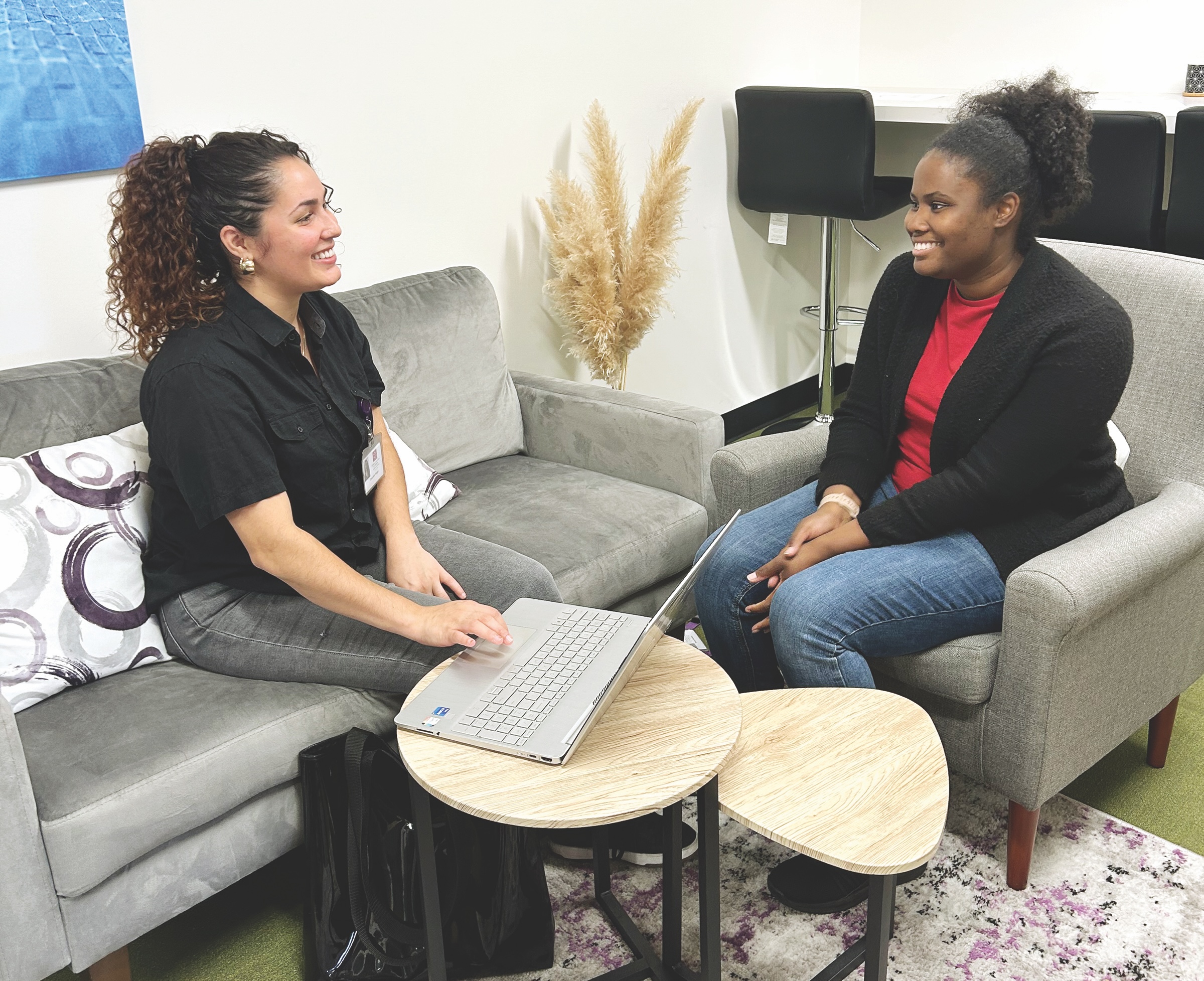
In a conference room at the Children’s Law Center of California (CLC), Diva arrives early, notebook in hand. Just months ago, the 24-year-old mother and student hesitated to join CLC’s Youth Advisory Council, doubting whether she could balance another commitment. Today, she volunteers for every initiative, her transformation emblematic of something larger unfolding at the nation’s largest children’s legal services organization.
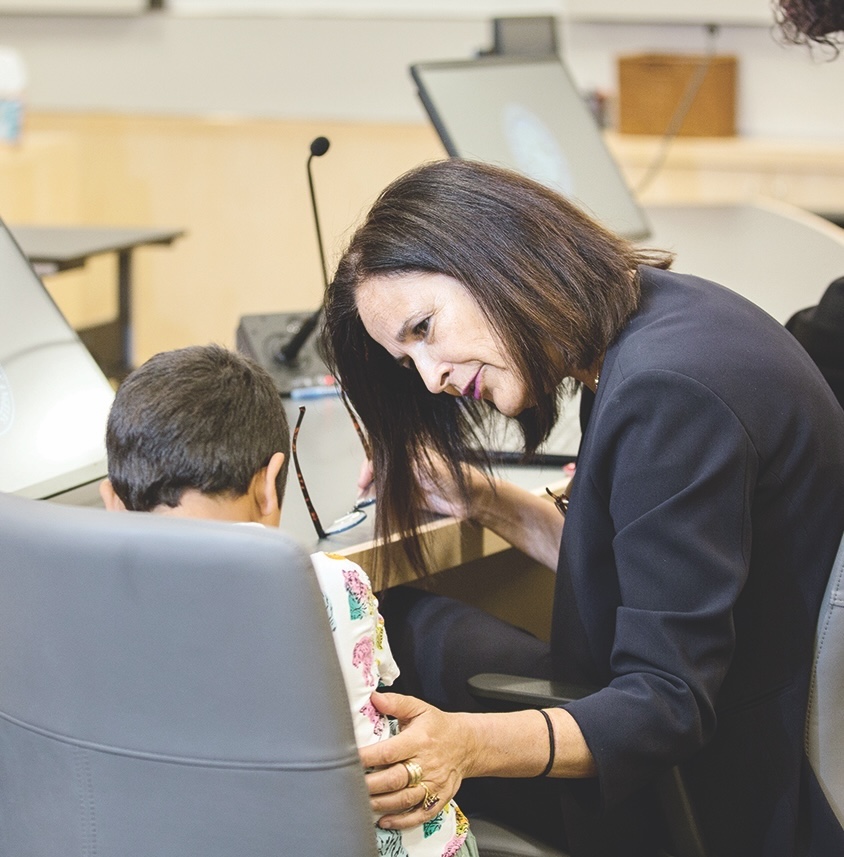
“When she first joined, it took a little more time with her to get through even the hiring process,” recalls Quan Petteway, CLC’s youth engagement coordinator and herself a former foster youth. “She’s been thriving. She’s actually been the first to volunteer for things.”
The Youth Advisory Council, launched in April 2025 after years of planning, represents a reimagining of how legal services should work. Born during CLC’s 2022 strategic planning surveys of over a thousand former clients, many expressing bewilderment about why they never heard from their attorneys after case closure – the council places lived experience at the center of institutional decision-making.
“The conventional wisdom has been that when a case closes, families don’t want anything to do with the court system anymore,” explains Leslie Starr Heimov, CLC’s executive director for the last 20 years. “We heard from a lot of youth that said, ‘How come no one ever called me again after my case closed? I still needed support.’”
The council’s nine members, aged 18 to 26, aren’t merely advisors – they’re paid hourly as contractors, their expertise valued tangibly. They review suicide screening tools, identifying triggers that well-meaning professionals miss. They inform state legislation, with one member recently testifying in Sacramento on a bill clarifying that legal representation for young adults must be client-directed. They conduct reproductive health surveys in courthouses, insisting on warm handoffs from attorneys rather than cold approaches from strangers. This is decision making by and for the foster youth who most feel the effects of the care system.
“The youth have had no ‘say so’ in it,” Petteway notes of traditional policy-making. “My goal is to make sure that they have ‘say so,’ that we are making sure this is geared towards them.”
Beyond policy work, the council addresses the absence of community. Members join for intensely personal reasons – one seeks to prevent sibling separation, another to ensure foster youth know college is possible and free. Their monthly meetings and biweekly committee work build something rarely afforded to foster youth: sustained connection.
For CLC, the Youth Advisory Council is also a vital way to maintain what Heimov calls a “continuous feedback loop,” so foster youth are empowered by understanding their rights, by helping to reshape policy and by lifting up their voices to advocate for a better system for all.
Children’s Law Center of California
Donate now!www.clccal.org
(323) 980-1538
Communications and Development Manager: Stephanie Talavera
Mission
Children’s Law Center of California (CLC) provides legal representation for children and youth impacted by abuse and neglect. We advocate for our clients by supporting families; fighting for reunification, permanence, educational opportunity, health, and mental health wellness; and empowering and strengthening children, families, and their communities. Our informed approach to advocacy makes us a powerful voice in local, statewide, and national child welfare system reform.
Begin to Build a Relationship
We know you care about where your money goes and how it is used. Connect with this organization’s leadership in order to begin to build this important relationship. Your email will be sent directly to this organization’s director of development and/or Executive Director.
The youth have had no ‘say so’ – my goal is to make sure that they have ‘say so,’ that we are making sure this is geared towards them.
Your Support Makes Youth Voices Heard and Change Possible
The Youth Advisory Council costs just $200,000 annually to operate – covering the youth engagement coordinator position, hourly compensation for nine council members, transportation, and meeting expenses. Your gift ensures former foster youth continue shaping the very systems meant to serve them. Whether funding a council member’s testimony at the state capitol, supporting community wellness events, or enabling youth-led training for attorneys, your donation transforms lived experience into systemic change, creating the responsive, youth-centered advocacy these young people deserved all along.
Key Supporters
American Business Bank
Béis
Benjy Grinberg and Ellen Goldberg
The Change Reaction
California Community Foundation
Conrad N. Hilton Foundation
Dara and Conan Barker
Matt Groening
The Hummingbird Fund
In-N-Out Burger Foundation
Neal Kaufman, MD, MPH
LA2050
Joseph and Jean Mandel
The Mayor’s Fund for Los Angeles
Alicia Minana and Rob Lovelace
Pritzker Foster Care Initiative
Ralph M. Parsons Foundation
Reissa Foundation
Samuel and Helene Soref Foundation
The Barry and Wendy Meyer Foundation
The Durfee Foundation
W.M. Keck Foundation
The Walter S. Johnson Foundation
Whittier Trust