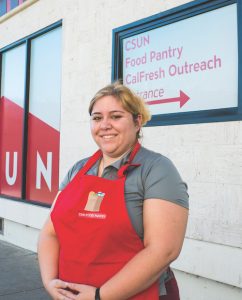
Amanda Sattler: A Deep Dive into Preventing Nonprofit Burnout

Amanda Sattler has spent more than 20 years in philanthropy, leading fundraising teams and raising resources for nonprofits across Los Angeles. She’s guided organizations through both financial crises and periods of rapid growth, experiences that shaped her understanding of how scarcity and abundance can strain leaders. Having gone through burnout herself, she turned that personal experience into an academic focus, pursuing doctoral research in philanthropic leadership on how and why nonprofit staff burn out, and what it takes to prevent it.
Alongside her academic work, Sattler continues to give back through volunteer roles with Educating Students Together, Covenant House California, Fostering Youth Independence, Serve LA, and her church’s women’s ministry. Amanda describes her current volunteering as a source of joy and healing, allowing her to give back as a board member, donor, and volunteer without the pressures of organizational leadership.
In this conversation for The Giving List, Sattler reflects on her journey, the lessons she’s learned, and what it means to sustain both missions and the people who carry them out.
Brian Rinker: What first drew you to volunteer work, and how has it shaped your path in philanthropy?
Amanda Sattler: I grew up in a home where my parents were very generous. My dad actually ran the first AIDS clinic in Los Angeles, so supporting communities has always been part of my story. But the turning point came when I was a junior at USC. I was “voluntold” to do a service-learning project and ended up mentoring kids at a neighborhood school. I realized those kids didn’t have enough books or even toilet paper in the bathrooms. The only difference between me and them was resources and our system of support. That lit a fire in me. I switched majors and knew I wanted to dedicate my career to helping.
BR: You started in program work but became a fundraiser. How did that shift happen?
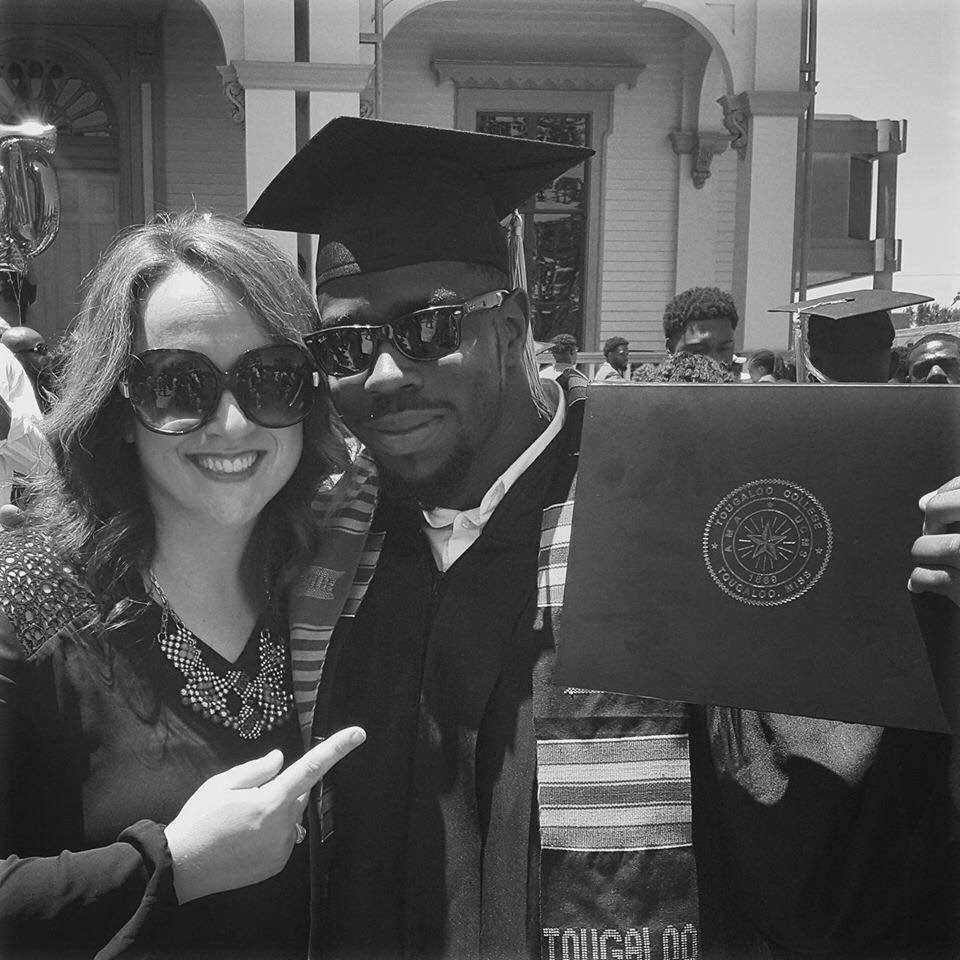
AS: Out of school, I was managing volunteers, and I kept bumping into barriers. There weren’t enough financial resources to expand programs. One day I was told, “We don’t have capacity to write that grant.” So I figured it out, wrote my first grant, and the program got funded. That’s when I realized the programs that get funded get implemented. A fundraiser was born. At first, I thought fundraising was “the dark side.” But I discovered I could drive positive change by being that bridge between donors and the work.
BR: You’ve spoken openly about burnout. What were your experiences with it?
AS: The first time was during the 2008 financial crisis. I worked at an organization heavily funded by corporations, and half our budget disappeared overnight. Suddenly, I was fundraising for payroll just to keep the lights on. The pressure was intense. Later, I experienced burnout in a season of growth. Our organization was expanding rapidly to meet the needs of young people experiencing homelessness, but I couldn’t staff my team fast enough. I’ve lived both scarcity and abundance, and both can lead to burnout.
BR: How is burnout different from just being stressed or overwhelmed?
AS: The World Health Organization defines burnout as chronic workplace stress that hasn’t been successfully managed. Chronic being the key word. It usually lasts a year or more. Fundraisers are especially prone to it because they care deeply and are highly motivated. But the role is often misunderstood. You’re standing in the intersection between people who have resources and those who need them. It’s isolating, it’s emotionally heavy, and you’re constantly re-educating everyone about what you do. For those of us who love it, it’s a privilege, but it’s also exhausting.
BR: What did your research uncover about supporting fundraisers and nonprofit leaders?
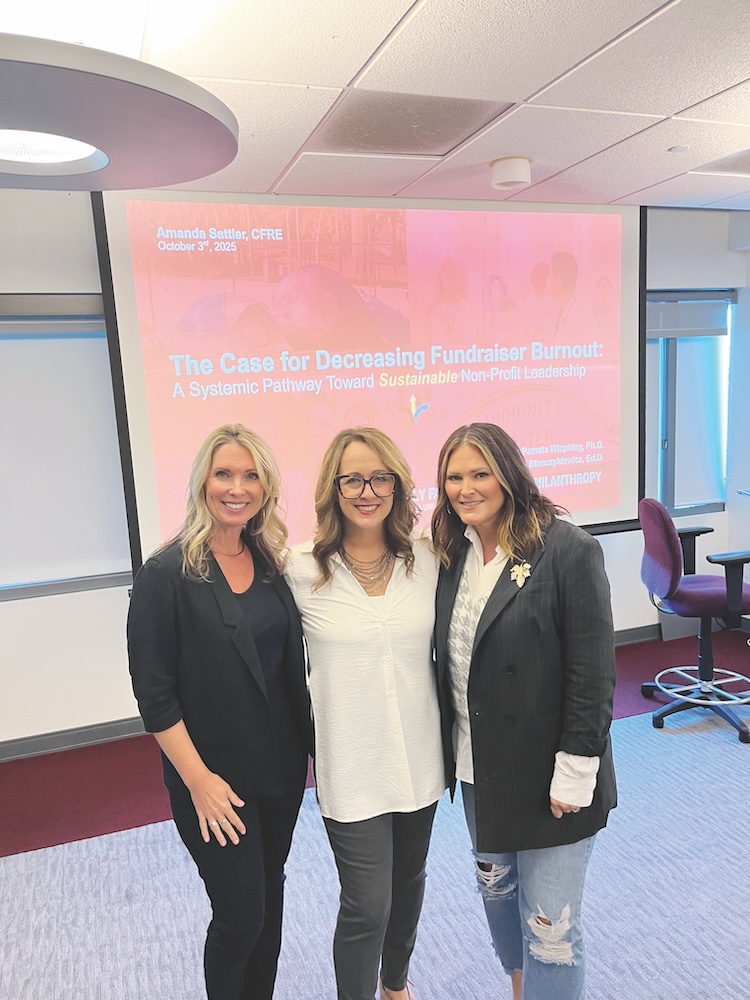
AS: One finding is that community of support – especially outside the building – is critical. Fundraisers often feel like they’re on an island, and having peers who “get it” makes a huge difference. Another key point is that more than 80 percent of fundraising is about engaging hearts and minds, not asking. Authenticity matters most. And being authentic, present, and continuously bridging gaps between diverse stakeholders is emotional labor. Burnout lessens when people feel supported, when they don’t have to carry the weight alone, and when they have support from a peer community that understands the joy and the challenge of this beautiful and sometimes heartbreaking work.
BR: You’ve said the word “philanthropy” literally means love of humanity. How does that shape your view of the sector today?
AS: Yes, from the Greek it means love of humanity. In the U.S., we often define it as voluntary action for the public good. Both are true, but we sometimes lose sight of the love of humanity part. Stewardship, at its root, is about caring for resources that aren’t ours, but we’ve redefined to the action of thanking and caring for donors, but what about the people inside the organizations, fueling and implementing the mission? Too often we only focus on beneficiaries and forget to put our own oxygen masks on. If we care for the people inside our organizations, they’ll be better equipped to care for those we serve.
BR: You’ve seen fundraising evolve through tough times and growth. Why is it more critical than ever now?
AS: Need is increasing. Some government grants and resources have been eliminated or reduced, which pushes nonprofits to seek more private support and that then creates more competition. That makes relationship-based fundraising essential. It’s about retaining the donors you have. It costs five times more to acquire a new donor than to keep one. When fundraising is done well, it’s not about constant asks. It’s about relationships and authentic connection.
BR: What can boards and volunteers do to help fundraise?
AS: First, demystify fundraising. It’s not just asking people for money. Making the ask is less than 15 percent of the process. Sharing your passion, posting on social media, thanking donors – those are all forms of fundraising. Second, don’t underestimate small gifts. Some of the largest organizations in this country are built on people giving $5 or $10 a month. Third, remember the return on investment. Big galas and events often eat up half of what’s raised. Long-term relationships with donors bring greater impact.
BR: How has your doctoral research changed your perspective on burnout?
AS: It’s been both affirming and surprising. What stood out was how much fundraisers love their work. They feel called to it. Many who burn out don’t leave philanthropy entirely. They just serve differently, maybe through consulting or part-time grant writing. That passion is still out there. The challenge is sustaining it and building a talent pipeline for the next generation.
BR: What advice would you give executive directors who want to better support fundraising staff?
AS: Don’t fall into the trap of thinking fundraising only belongs to one person. Everyone – staff, board, volunteers – can share stories, say thank you, and make donors feel valued. That shared responsibility lightens the load and makes the work more sustainable.
BR: You stepped back from full-time staff work and now volunteer with several organizations. What has that meant for you personally?
AS: Honestly, it’s been one of the main things that helped me heal from burnout. As a board member, donor, and volunteer, I try to be the kind of supporter I loved when I was on staff – encouraging, affirming, and helpful without piling on advice. I ask leaders how they’re doing, what they need, and then I try to meet that need.
For example, I love volunteering with Educating Students Together. The founders saw the need for young people to have access to higher education, because the cost of college is so expensive. With just a handful of staff and a team of volunteers, last year they helped about 80 young people – most of whom are in foster care or from low-income backgrounds – secure over $8 million in scholarships. What I love is that you can walk alongside a student in really practical ways: help them with an essay, coach them for an exam, or make sure they have a suitcase to move into college. My heart has always been drawn to young people who deserve better. It’s been pure joy to give back without carrying the weight of the whole organization.