Jamie Mohn, PsyD, and Joe Blackstone: Choose to Go to the Moon Taking Your Nonprofit to the Highest Point
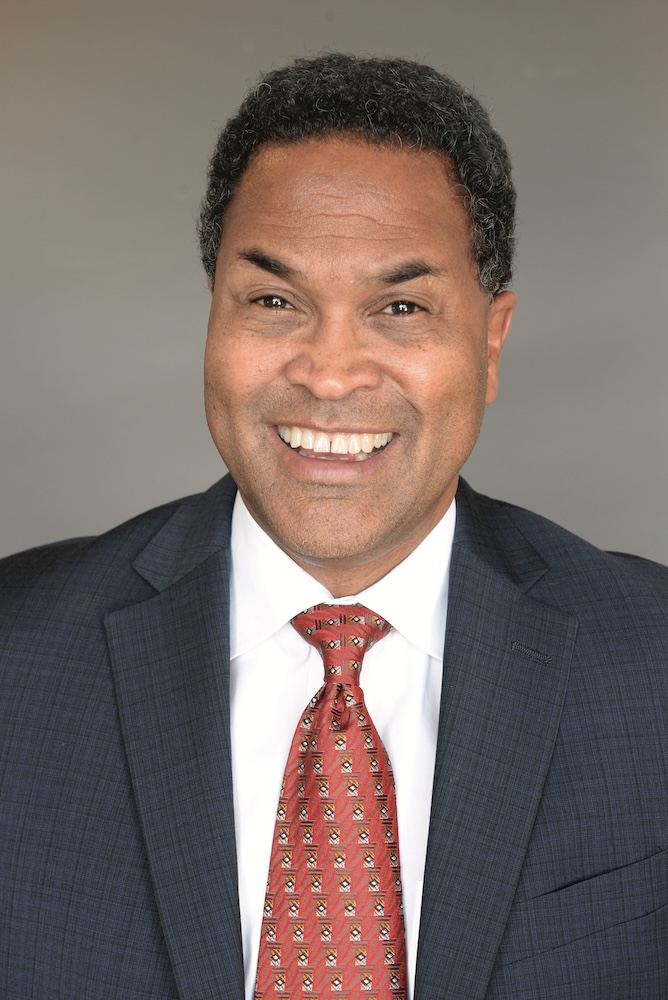
Jamie Mohn, PsyD, and Joe Blackstone couldn’t have predicted on their wedding day 35 years ago that one day they would partner together to run a pair of nonprofit organizations, but their complementary personalities have helped make their philanthropic partnership a success. Mohn is a clinical psychologist with a private practice in Los Angeles that specializes in individual treatments for children, adolescents, and adults who are undergoing major life transitions. Blackstone is the president and CEO of Blackstone Consulting, Inc, a multi-million-dollar service company he formed in L.A. back in 1991, which provides security, food, janitorial, and facilities maintenance service for clients that range from Apple to Northrop Grumman to Kaiser Permanente.
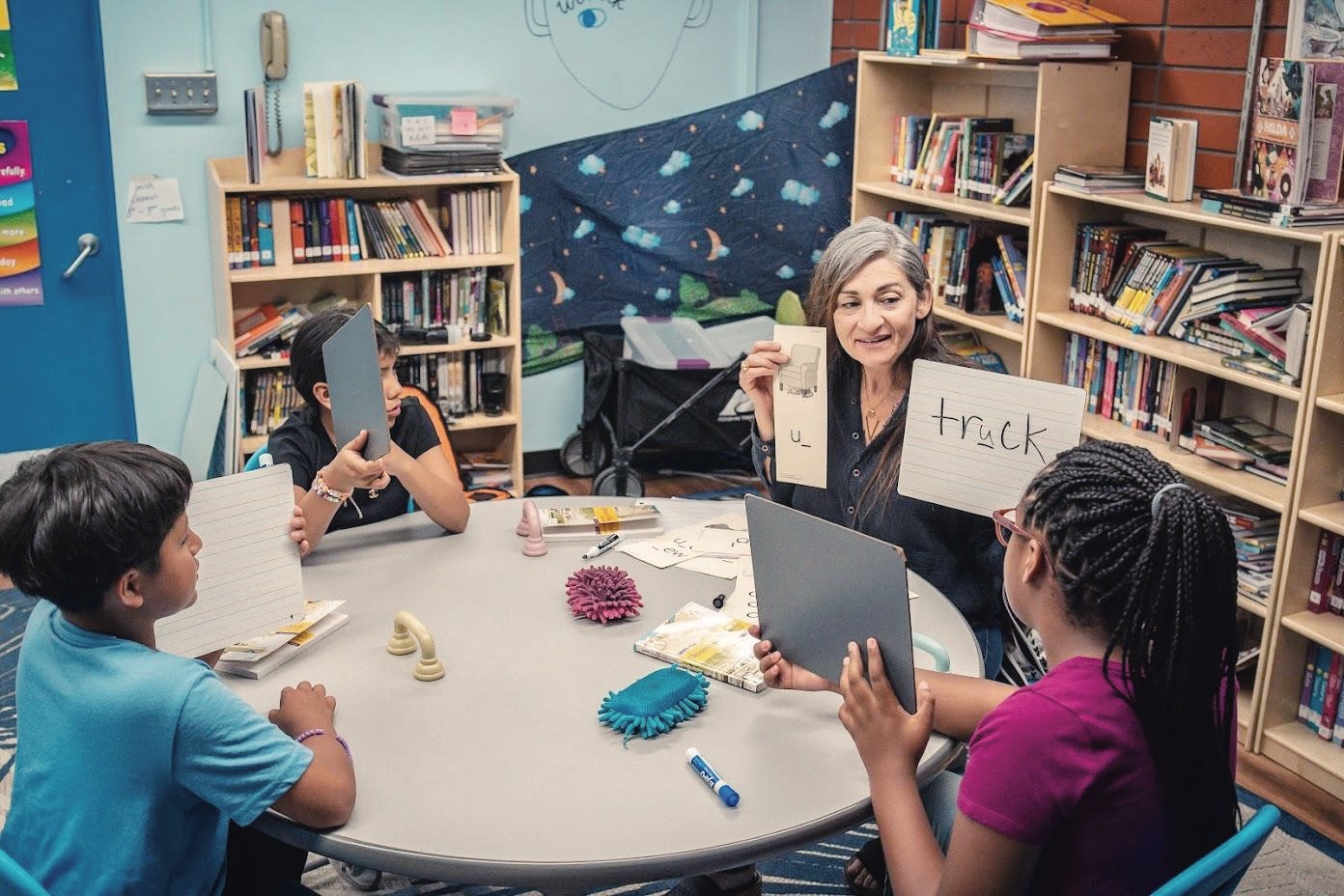
Their passion since 2011 has been their nonprofit, the J3 Foundation, which promotes improved literacy skills for elementary school children in the Los Angeles public school system. J3 has been able to grow stronger and help more kids learn how to read with each passing year. Now, Mohn and Blackstone are also embarking on a new nonprofit, Pave HER Way, which is dedicated to removing the obstacles that prohibit young women from excelling in their lives and careers.
Here, Mohn and Blackstone talk about the state of child literacy rates, best practices for running a foundation, and why it’s good to state your goals in the manner of the late John F. Kennedy.
Zachary Bernstein: The focus of J3 is improving child literacy. When I read that you two are a married couple with a daughter, I wrongly guessed this was an issue that you came to perhaps because she had a personal struggle, or some of her classmates had a struggle. That’s not the case at all. How did child literacy become the cause you decided to give your time and energy to?
Jamie Mohn: When we were newly married, we had an opportunity through USC – where we met – to work with kids in the local elementary schools around campus and help them learn to read. We did that together, each of us paired with a child for a year. By the end, the kids could read and that was eye-opening in so many ways, not only for the skills they were able to acquire in that period of time, but also the development of their personality and their confidence. We saw a distinct difference in who that child was before and after they could read.
We did that for several years, a new child each year. We kept having conversations together about how reading can change your life. Conversely, other kids get pushed along in school without learning how to read and by the time you reach a certain age, they don’t teach reading anymore. Those kids are set up for a very difficult future. That lit a fire under us to get on this as soon as possible.
ZB: For those who may not know, how’s literacy in Los Angeles doing these days?
Joe Blackstone: Honestly, it’s a crisis. The Nation’s Report Card – which is the gold standard for measuring this stuff – found that only 1 in 4 fourth graders in L.A. is reading proficiently. Half aren’t even at a basic level. And when you break that down further, the disparities are staggering. About 8 in 10 fourth graders in L.A. come from low-income families, and only 16% of those kids are proficient readers, compared to 60% of their wealthier peers. That gap has more than tripled since 2002. These are smart, capable kids. We’re just not giving them what they need.
JM: The research is clear that a child who isn’t reading proficiently by the end of third grade is four times more likely to never graduate high school – and that risk only goes up for kids growing up in poverty. From there, it’s a domino effect: dropping out is tied to higher rates of unemployment, poverty, and incarceration. So when we talk about fourth-grade reading, we’re really talking about the rest of a child’s life. The good news is, this is solvable. We know exactly what works and when to step in – and we’re already seeing it work in J3’s partner schools.
ZB: Did you have any preparation before diving into the world of nonprofits? How did your successful careers translate into running J3 and what made you decide to start your own foundation rather than seek out an existing one?
JB: We didn’t have any experience whatsoever in the nonprofit world other than just contributing to different nonprofits, just as nice people; nothing that would make you think we’re going to have a foundation that’s got a $2 million budget and serves a thousand kids a year. So, zero on that end.
But we had some personal experiences that were helpful in running a nonprofit. One, we’re both really organized people. We think a lot alike in terms of, “Where are we at right now? Where are we going? What steps do we have to take to get to the end?” I think a lot of nonprofits are run by some very creative people with strong passion, but no sense of organization. Between me running a business and Jamie having her own clinical psychology practice and going through the rigor of getting her doctorate, we each bring some practical qualities to the foundation.
As for starting our own foundation, I would say that we wanted control over the impact that we made. We could easily have contributed to tons of places that are doing amazing things in the literacy space. But we wanted to build something and from our perspective, when we want to build something, we want to have control over the outcomes and most importantly, who are we going to help.
JM: Also important, to borrow from Bryan Stevenson, that “proximate experience” of being near the people that you are trying to help. I think that makes a difference not only in us being the founders of the organization, but the people that work with us. People are more motivated to help and be part of something when they can interact with the people in need. I would say that’s what Joe and I started with. Those kinds of experiences change you as a person.
ZB: Every nonprofit has a mission to make meaningful changes that improve people’s lives. What can you say about locating the core issues you want to take on and strategizing to overcome them?
JB: It’s kind of like John F. Kennedy saying we’re going to the moon. Okay. And you’re like, “We don’t even have anything that gets off the Earth yet.” But somehow, in some way, that’s our goal and that’s our big pipe dream. I think for us, we’ve always had a strategy. When we first started the program, we said we wanted our first pilot to have 15 kids served, and in 10 years we’d like to have a thousand kids served. We reached a thousand in six years instead of 10. We achieved our goal early, so now we have a more ambitious one. We’re hoping to grow to serving 1,500 students across Southern California annually by 2028.
ZB: You each have careers that seem demanding enough: Joe is a CEO, Jamie is a clinical psychologist. But you’ve both given your time, not only for philanthropic giving, but for starting your own organization. What made you decide there’s room for more responsibilities in your lives and what would you say to others about the rewards of carving out time for philanthropic pursuits?
JM: Yes, we are incredibly busy. But I would also say that we’ve surrounded ourselves with people who believe in our mission and are excited by it. That makes it easier.
JB: I would say without question it’s incredibly hard. There were moments early on in J3 when I thought Jamie was going to kill me. We put on a big fundraiser in Malibu for 450 people to introduce the community to what we were trying to do. It was going to be wonderful and it just about killed us.
JM: I said, “I’m never doing this again.”
JB: And she didn’t. The number one thing I would say is if you’re a busy person with a full plate and then you’re adding something like a nonprofit, expect a lot more hard work. I would echo what Jamie said though, which is you’ve got to get a team. In retrospect, we probably should’ve added a CEO, or executive director – someone who wasn’t one of us – much sooner.
ZB: Is that the key to avoiding burnout? What advice would you be sure to tell someone starting their own foundation?
JM: This is advice we can actually give to ourselves right now as we start Pave HER Way. We’re getting a CEO right away to shepherd this through so that we, as founders, can still have a lot of input, share our ideas, share our dreams and passions, but we’re not sacrificing every moment of our life to try to get it off the ground. That’s just too hard.
What Joe and I struggled with for so long between 2011 and 2018 was us really trying to do all the leg work, but this time around we hired somebody on February 1 of this year and it’s a different experience because we have a designated leader who will set the goals and set the pace. That’s my recommendation.
JB: There are three things that I would recommend. First: find a fit for your mission. You need to be unique in some way. There are so many nonprofits out there doing great things and when you come up with your idea, you need to be able to figure out where it fits. Why is that better, or different than someone else’s?
The second one goes with what Jamie said, which is to hire good people. That’s critical in a nonprofit because you’re always starting out, especially one on a shoestring budget. The first, second, and third person you hire have to be the right people, otherwise you go backwards quickly, then who knows if you keep going or if you run out of funds?
The third thing is that you always have to work on advancement and fundraising. We’re fortunate that we’ve funded a large percentage of the J3 Foundation for all of its existence. That’s an entitlement we’ve gotten from the dollars that we’ve made during our careers. At the same time, someone told me when I first started our business that you always need to spend 25% of your time trying to get the next project. It’s easy to get caught up in the actual work itself, but don’t let that distract you from the fact that you need to keep fundraising.